
Hard water is water carrying a higher dissolved load of calcium and magnesium, picked up as it passes through rock and soil before it reaches your tap. It is not a safety hazard and it will not show up on a standard bacterial water test. It is still one of the first things we check when someone tells us a skincare routine that used to work suddenly stopped delivering. Before we recommend swapping a single product, we look at the water it is being rinsed with.
How common this actually is
Hardness varies a lot by region, driven by local geology rather than anything a household does wrong. Areas with limestone-heavy groundwater tend to run harder, while some regions sit naturally soft. Most municipal water utilities publish an annual water quality report that includes a hardness figure, and it is worth pulling up before assuming your tap falls on the softer end just because the water looks and tastes normal.
What hard water actually does to skin
Mineral-heavy water does not rinse as cleanly as soft water. Instead of fully washing away, cleanser can bind with dissolved calcium and magnesium and leave a thin mineral film on the skin, sometimes called soap scum when it happens in a sink or tub. That residue is a plausible reason a cleansing routine can leave skin feeling tight, dry or filmy even when the products themselves are formulated well. It is also one reason a hydrating serum can feel like it is working less than expected, since it is being layered on top of mineral buildup instead of clean skin. Some dermatology research has also looked at hard water as a possible aggravating factor for already sensitive or eczema-prone skin, though the evidence there is still developing and hard water is not considered a direct cause of any diagnosed skin condition.
What it does to hair
The same mineral deposits can coat hair strands over repeated washes, which some people notice as dullness, a rougher texture or color that fades faster than expected. Buildup can also make hair feel coated or heavy no matter how much conditioner gets used, since the conditioner is working against a mineral layer instead of clean strands. This is a gradual, cumulative effect rather than something that shows up after one shower, which is part of why it gets misread as a product problem instead of a water problem.
Our checklist before we blame the routine
- Has skin or hair texture changed gradually over weeks or months rather than overnight after a single new product?
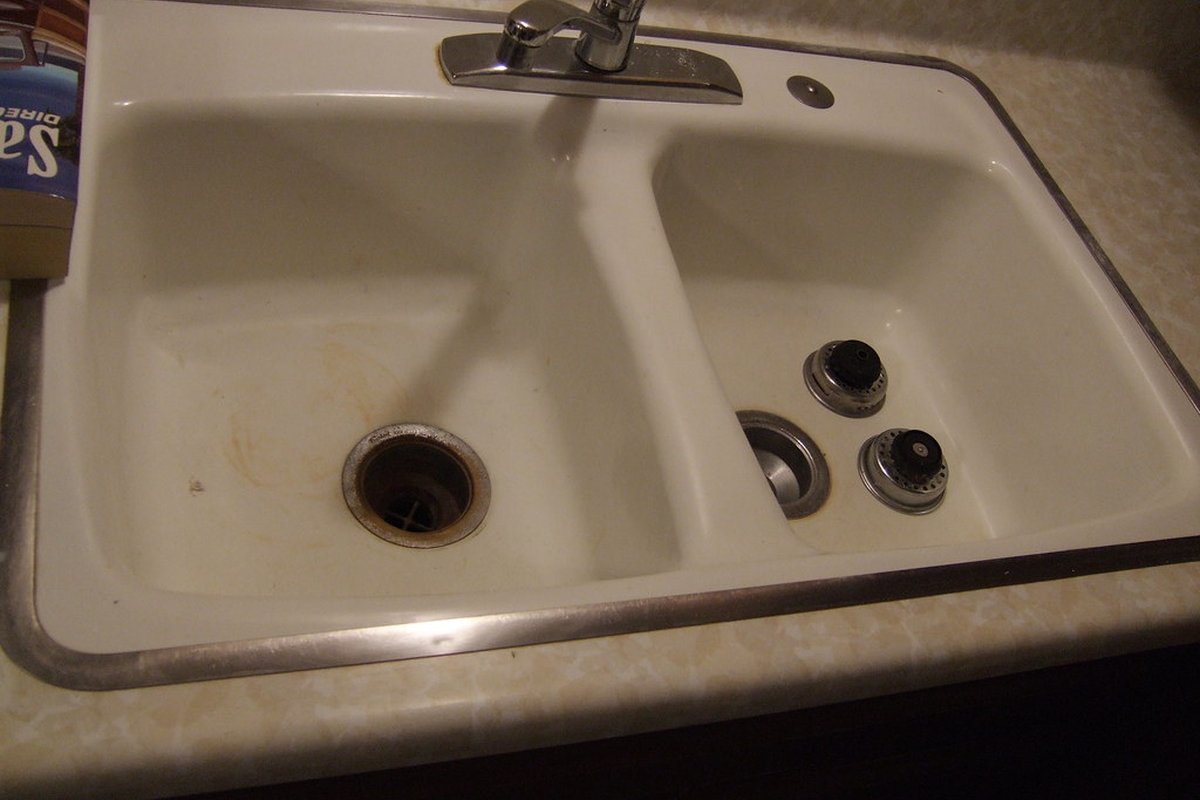
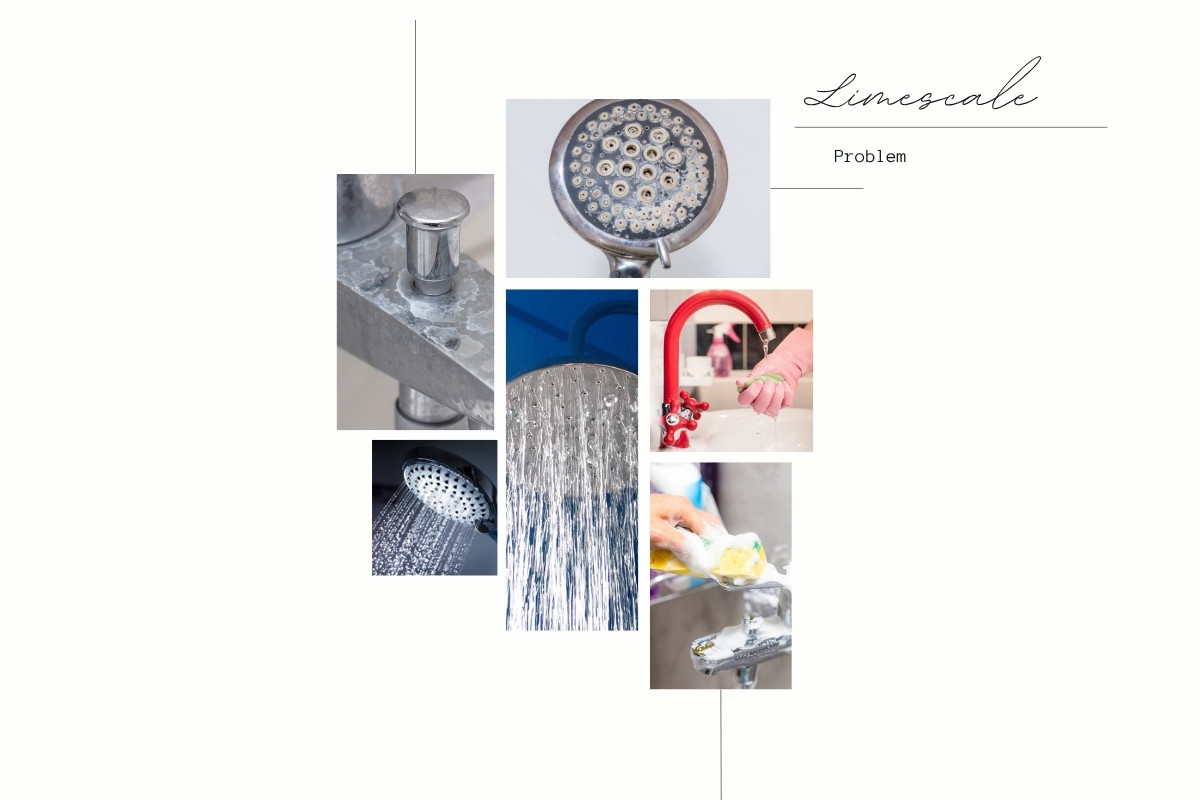
- Do fixtures and glassware in the same home show visible mineral spotting or scale?
- Does skin feel noticeably different after washing at a different location, like a gym or a friend's house?
- Does your local water utility's published hardness figure fall on the higher end of the scale?
If two or more of those check out, the water is worth investigating before the skincare cabinet takes the blame. A basic first step is checking that local municipal water quality report, or testing at home with a simple hardness test strip, which gives a rough reading in minutes.
What we look for in a fix
Treating the water at the point it touches your skin, the shower line or the sink, tends to matter more for this specific complaint than treating an entire home's water supply. A unit that installs directly at that line is the more targeted check, compared to a whole-home approach aimed at broader plumbing concerns like scale buildup in pipes and appliances.
SH-1 Shower & Undersink Unit
The SH-1 installs directly at the shower line or under the sink, the exact point of contact our checklist above is focused on, and carries the same stainless steel build with a 24K gold plated copper core as the rest of the collection, protecting the core from oxidation over time rather than just decorating it.
None of this replaces a well-formulated routine, and mineral buildup is not the only reason a product can stop performing. It is simply the check we run first, since it is the variable people are least likely to think to test.